
The material matters.
What it is. What it is made from. How readily it can release fibre. And what that means when somebody actually needs to manage, repair or remove it.
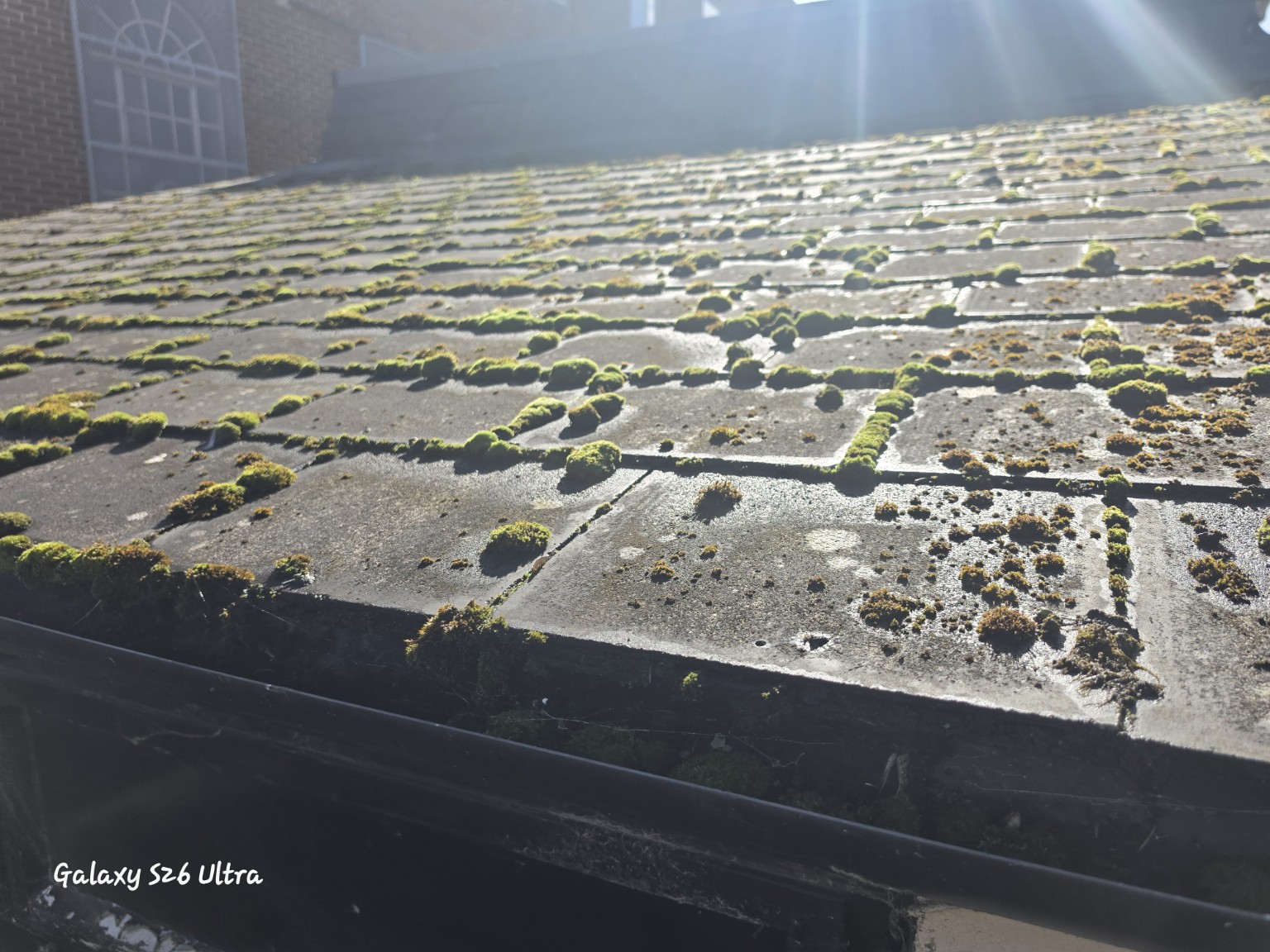
Real WKA site photography throughout this page — materials as they actually turn up in buildings.
Asbestos Insulating Board (AIB)
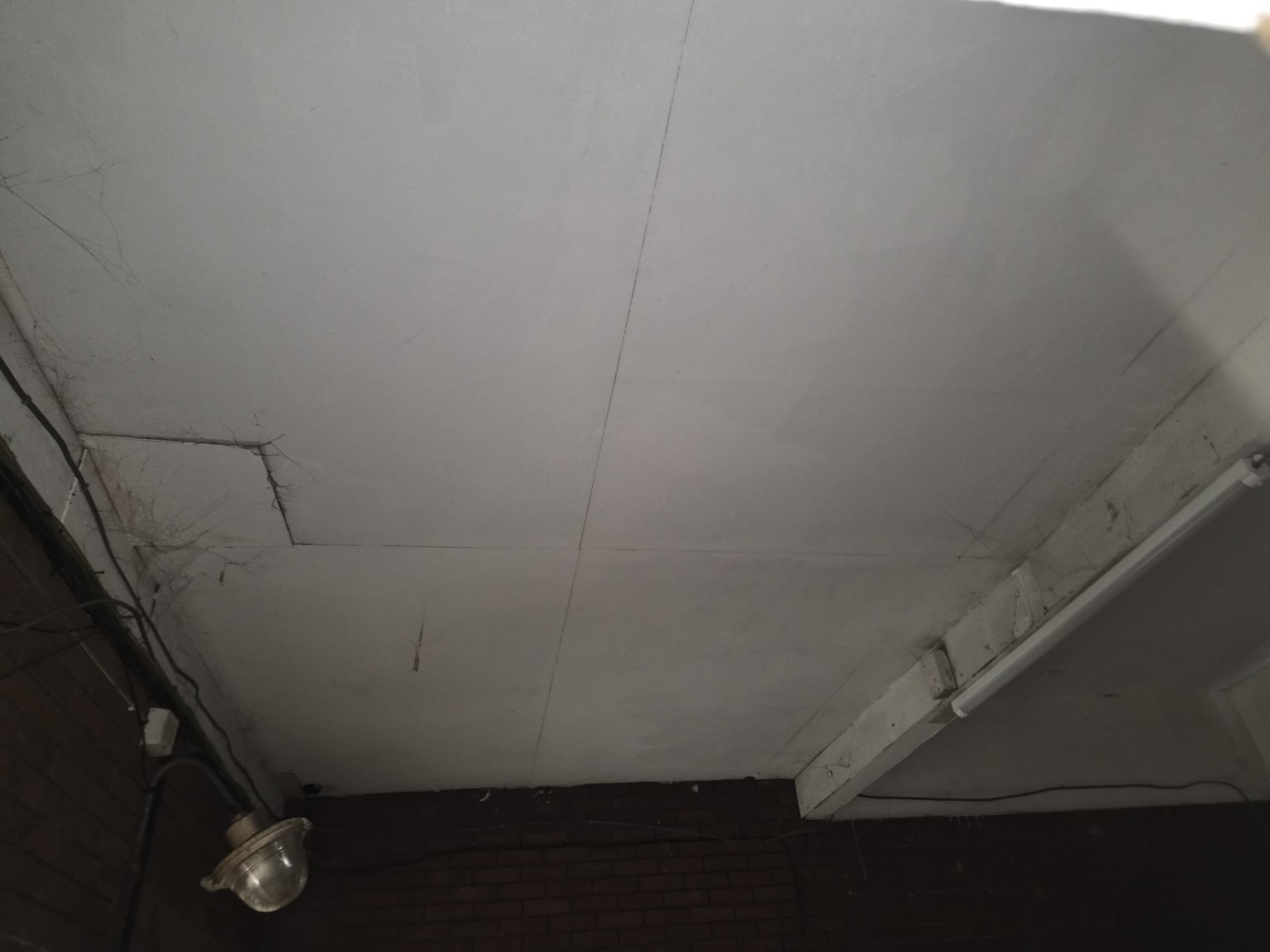
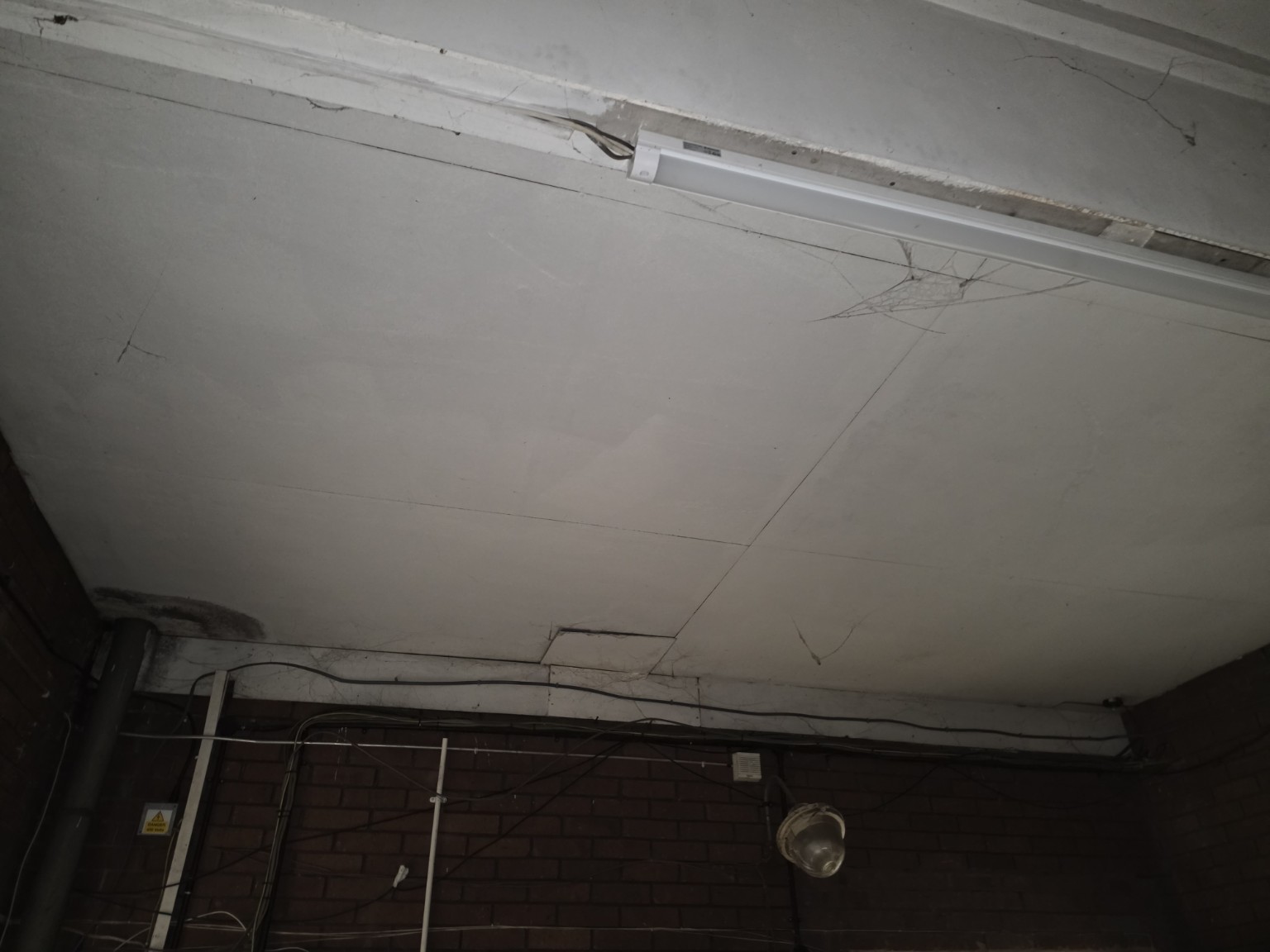
HSE's Analysts' Guide describes AIB as typically containing around 15–25% amosite, often with a small amount of chrysotile, in a calcium-silicate matrix. Some older boards may contain up to around 40% asbestos and may also contain crocidolite. HSE lists AIB in locations including partitioning, ceiling tiles, fire protection, service enclosures, panels, soffits and fascias.
Most higher-risk work with AIB requires a licensed asbestos contractor. Limited short-duration work may fall outside licensing only where the legal conditions and risk assessment support that classification.
What does that actually mean?
AIB is a relatively lightweight insulating and fire-protection board. Compared with asbestos cement, the fibres are much less tightly locked into a dense cement matrix. That is why damage, cutting, drilling, breakage and removal can release considerably more fibre.
The laboratory fibre result does not decide what the product is. A chrysotile-only result does not turn an insulating board into asbestos cement. You identify the material as a whole — its construction, density, matrix, use and analytical result all matter.
Asbestos Cement (AC)
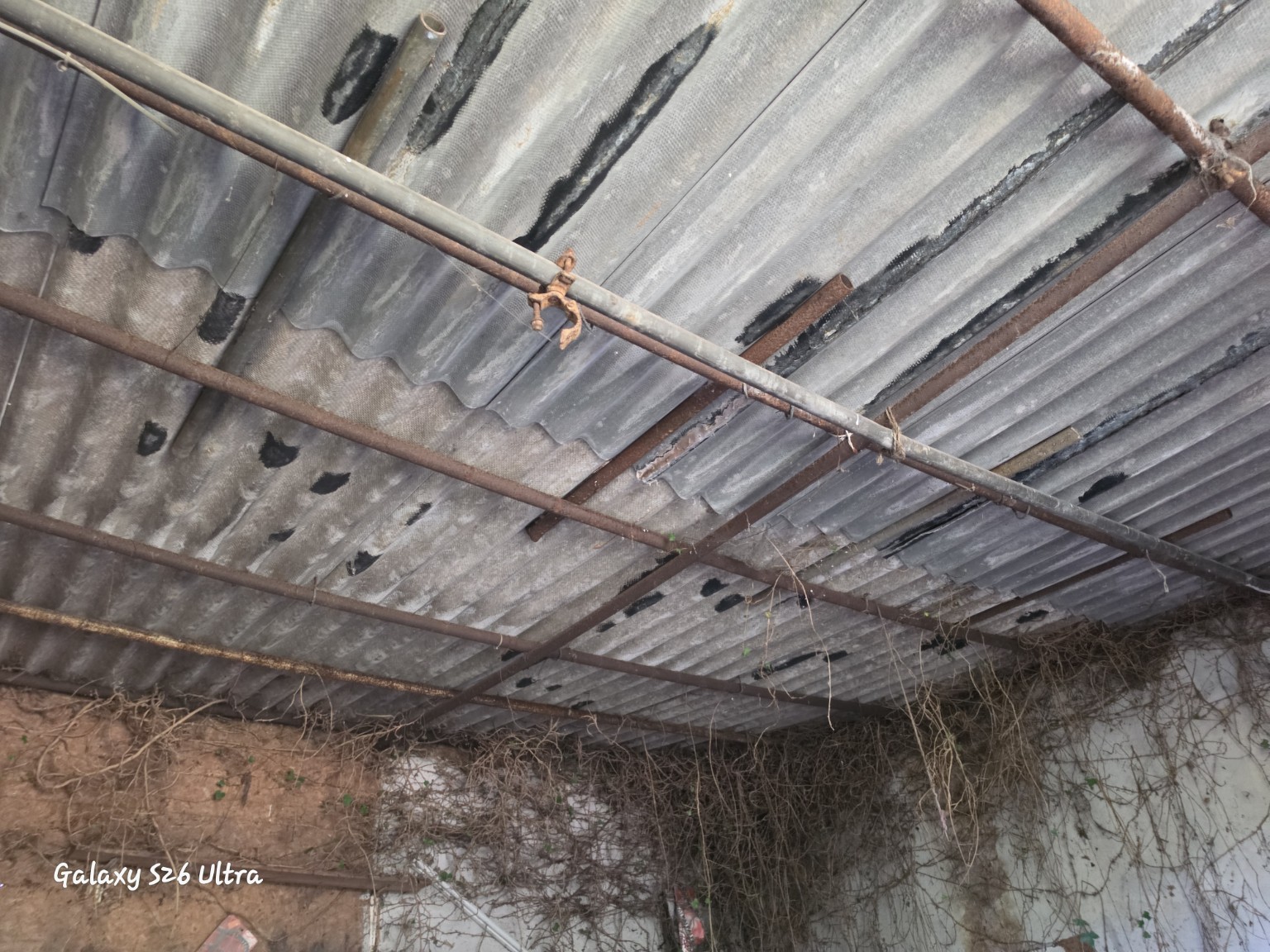
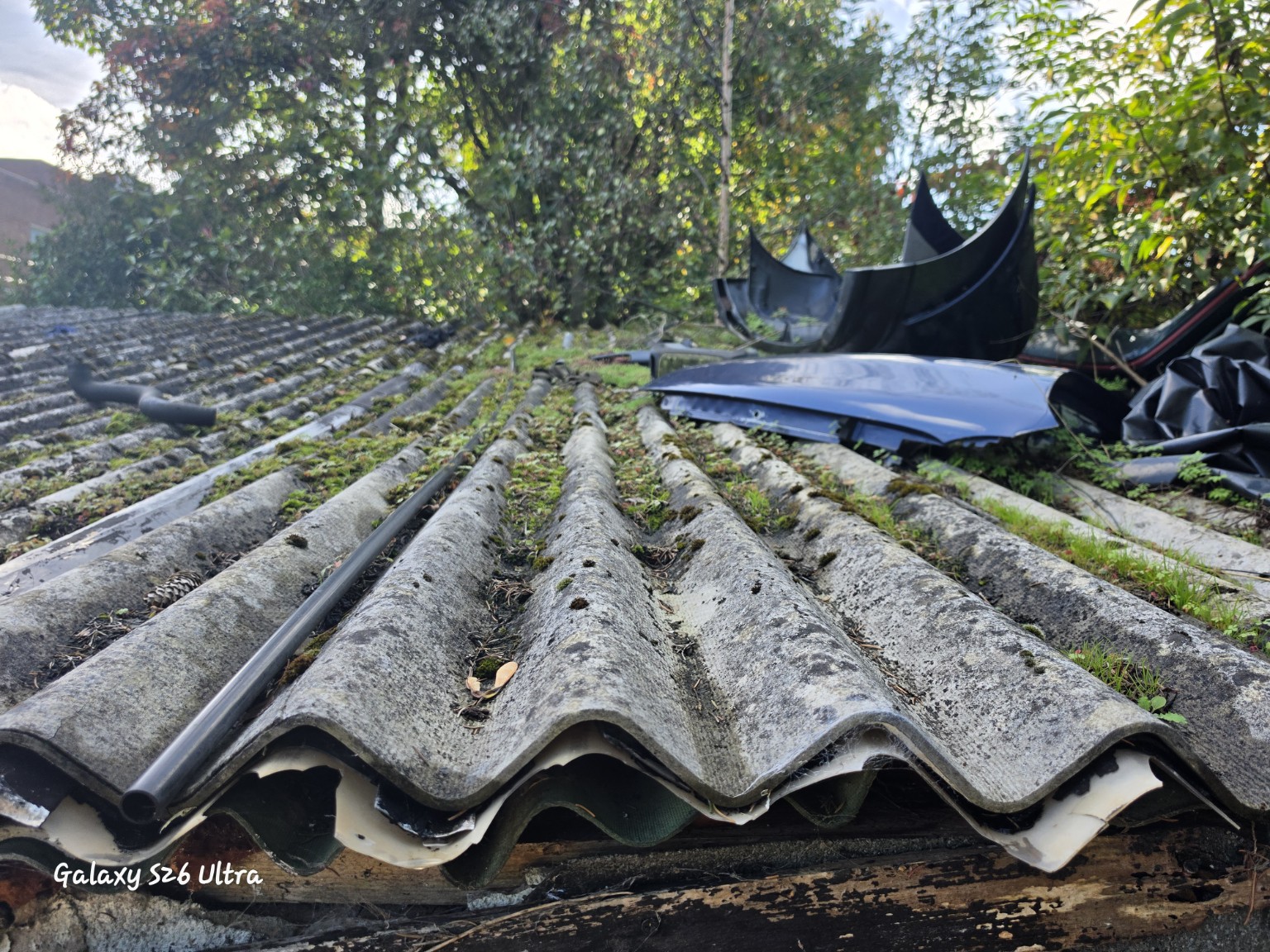
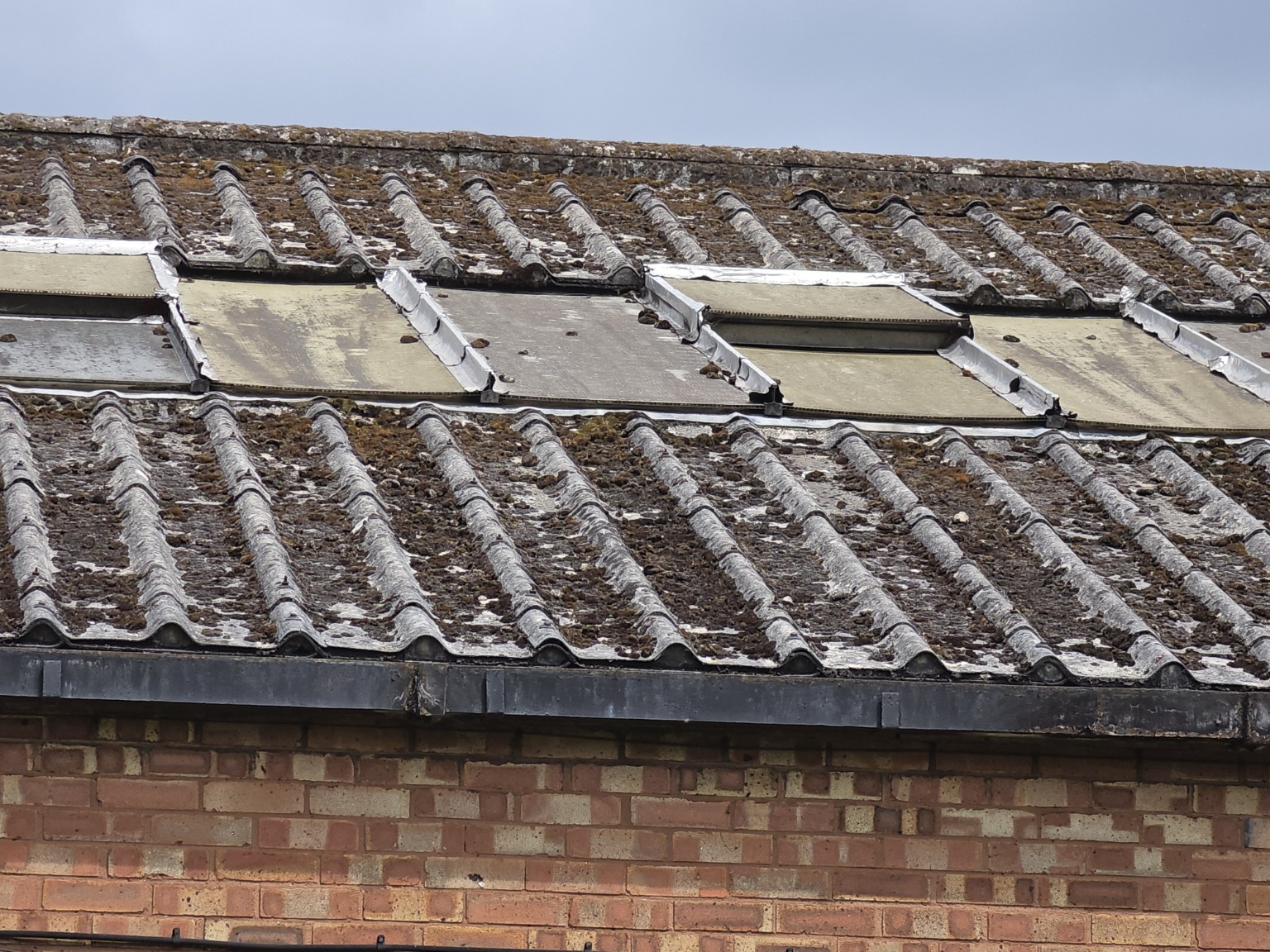
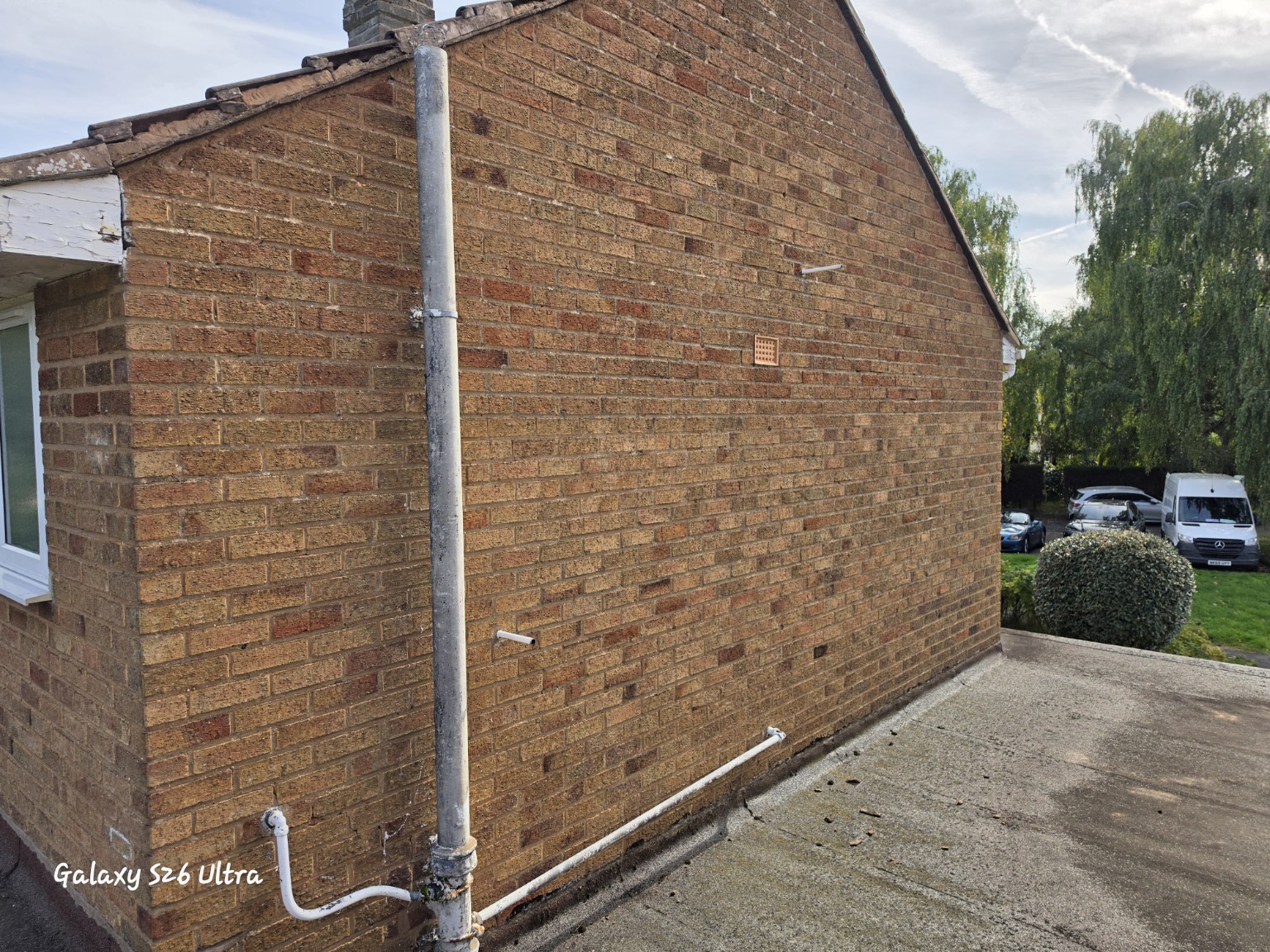
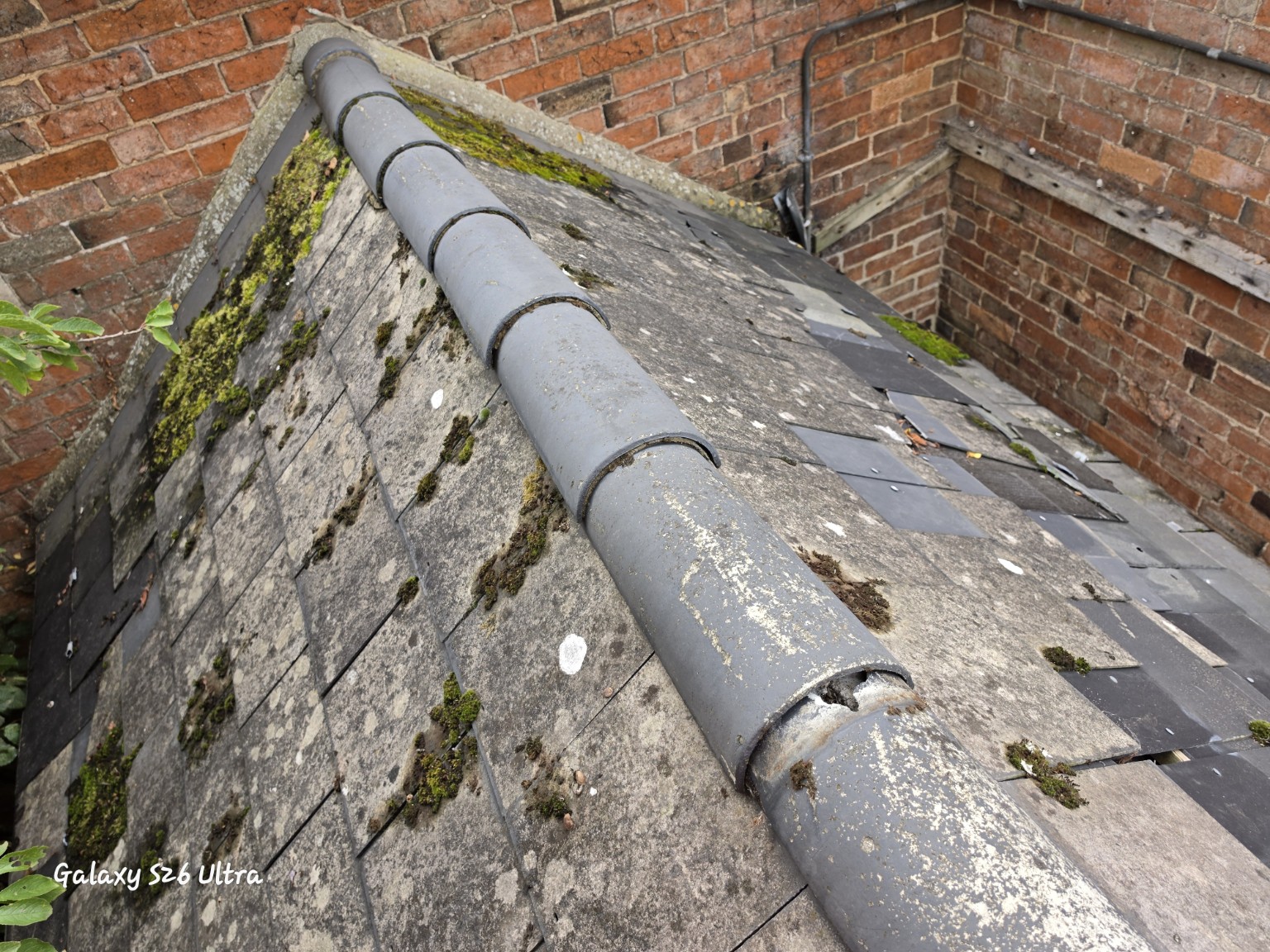
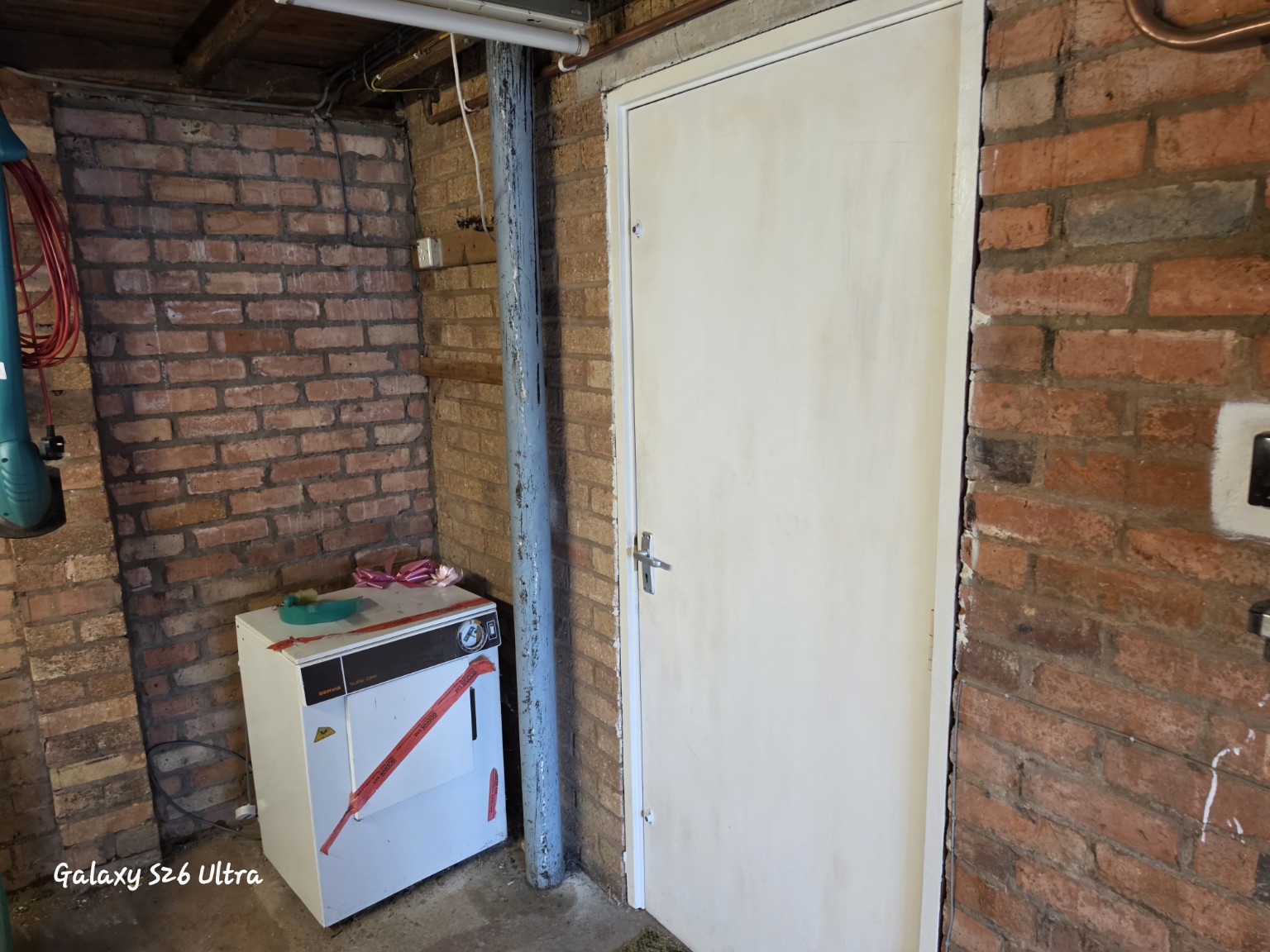
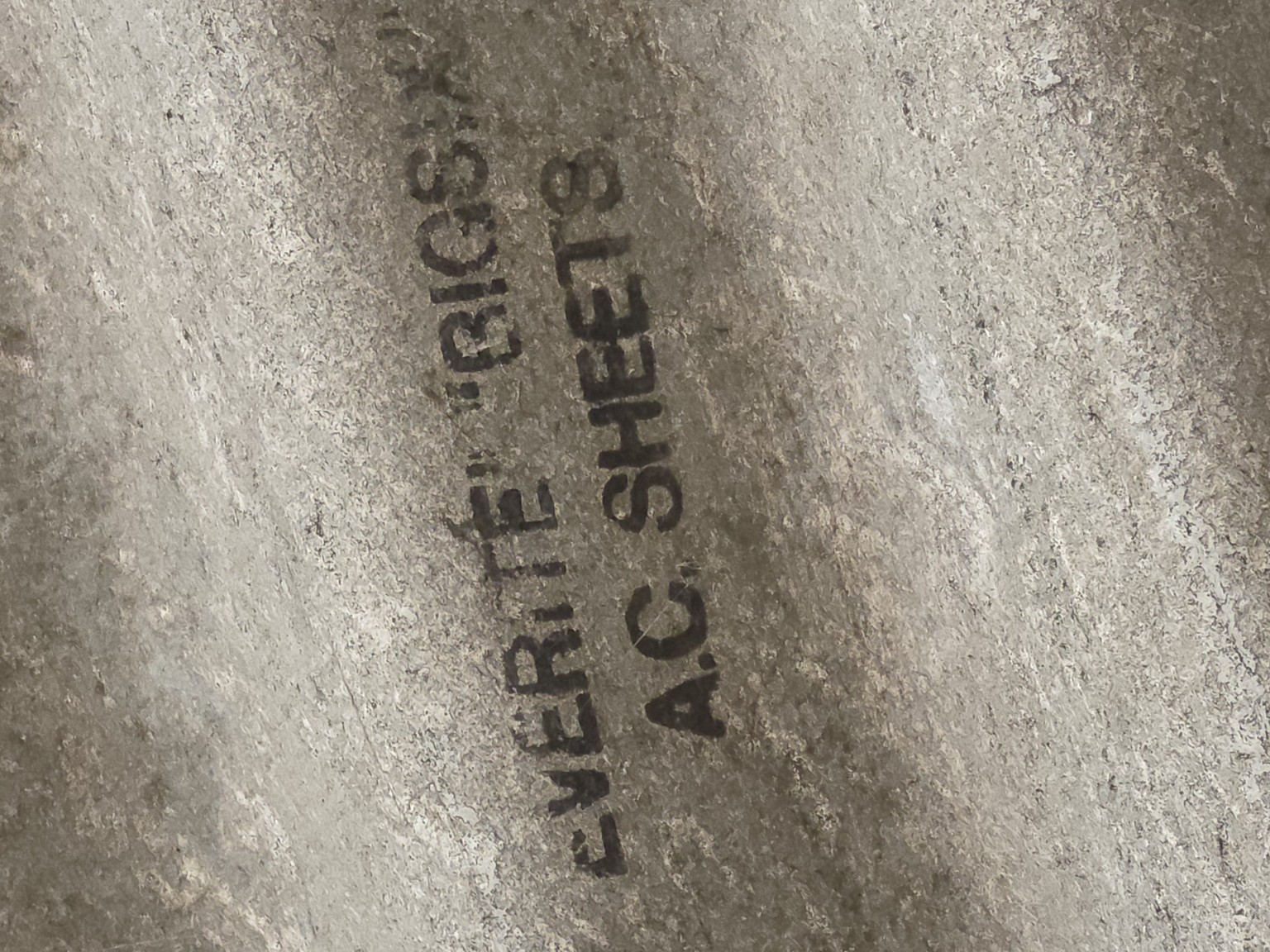
HSE defines asbestos cement as a material predominantly made from cement and chrysotile which, when dry, absorbs less than 30% water by weight. It typically contains around 10–15% asbestos. Most products contain chrysotile, although crocidolite and/or amosite can occur in some older products.
Common products include profiled roof sheets, flat sheets, wall panels, gutters, downpipes, flues, water tanks and pipes. Work with asbestos cement will normally be non-licensed where the relevant conditions are met, although the condition of the material and the way it is worked on can change the work classification.
What does that actually mean?
Think of asbestos cement as a hard cement product reinforced with asbestos fibre. The dense matrix holds the fibres much more firmly than AIB or lagging, which is why a sound cement sheet sitting undisturbed on a roof is a different proposition from damaged insulating board.
That doesn't make it harmless. Drill it, saw it, smash it or put a grinder through it and you are physically breaking the matrix that was holding those fibres in place.
Textured Coatings — including Artex
HSE lists textured decorative coatings on walls and ceilings — including the trade name Artex — among asbestos-containing materials found in older buildings. Most work on asbestos-containing textured coating is classed as non-licensed work, with the exact requirements depending on the task and condition.
What does that actually mean?
“Artex” has become the Hoover of textured coatings: people use the brand name for almost any patterned ceiling. It doesn't follow that every textured coating is Artex, or that every product carrying that name contains asbestos.
If the age and history mean asbestos is possible and the coating is going to be disturbed, representative sampling is the sensible way to establish what is actually there.
Thermoplastic / Vinyl Floor Tiles & Bituminous Adhesives
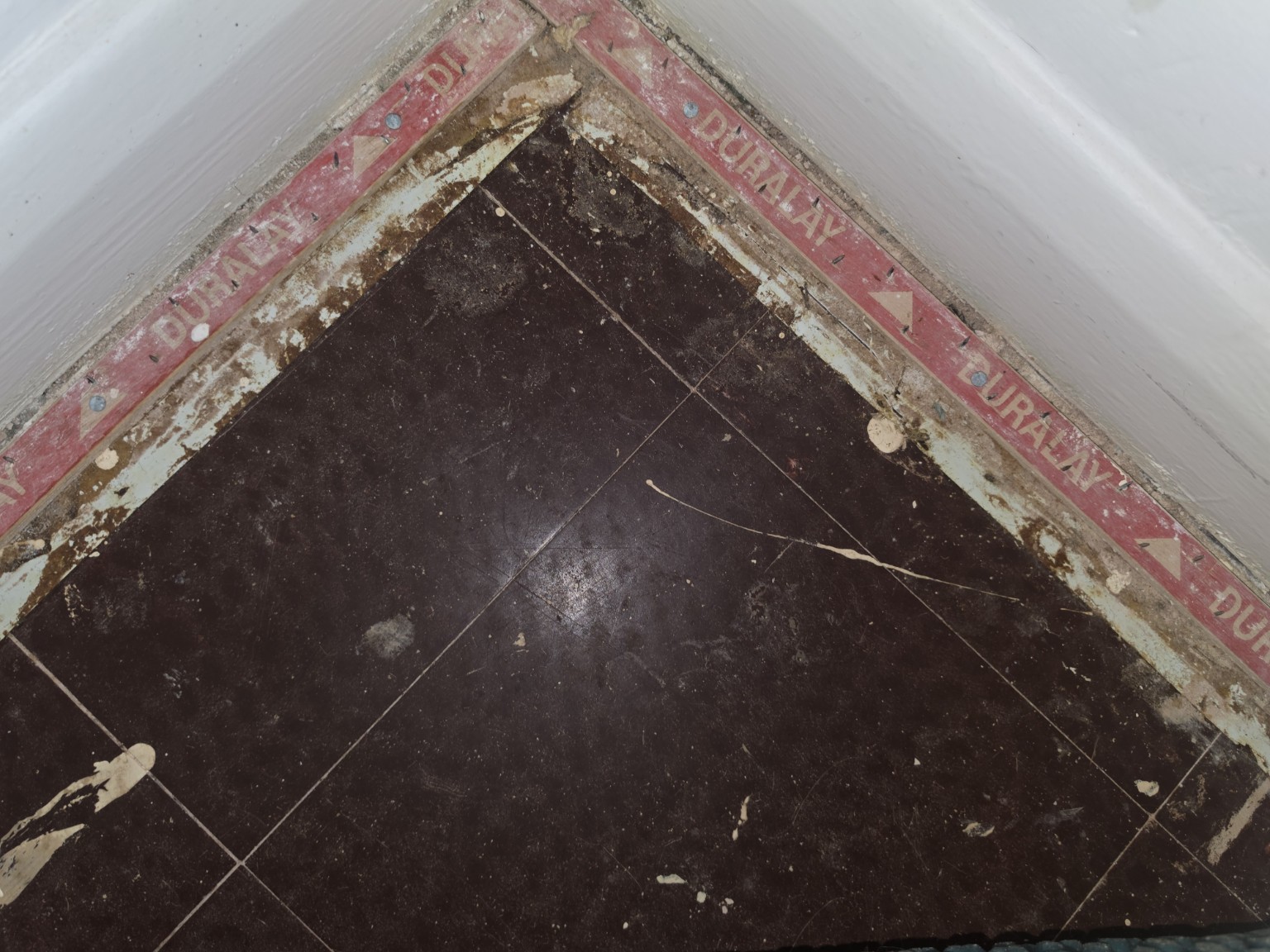
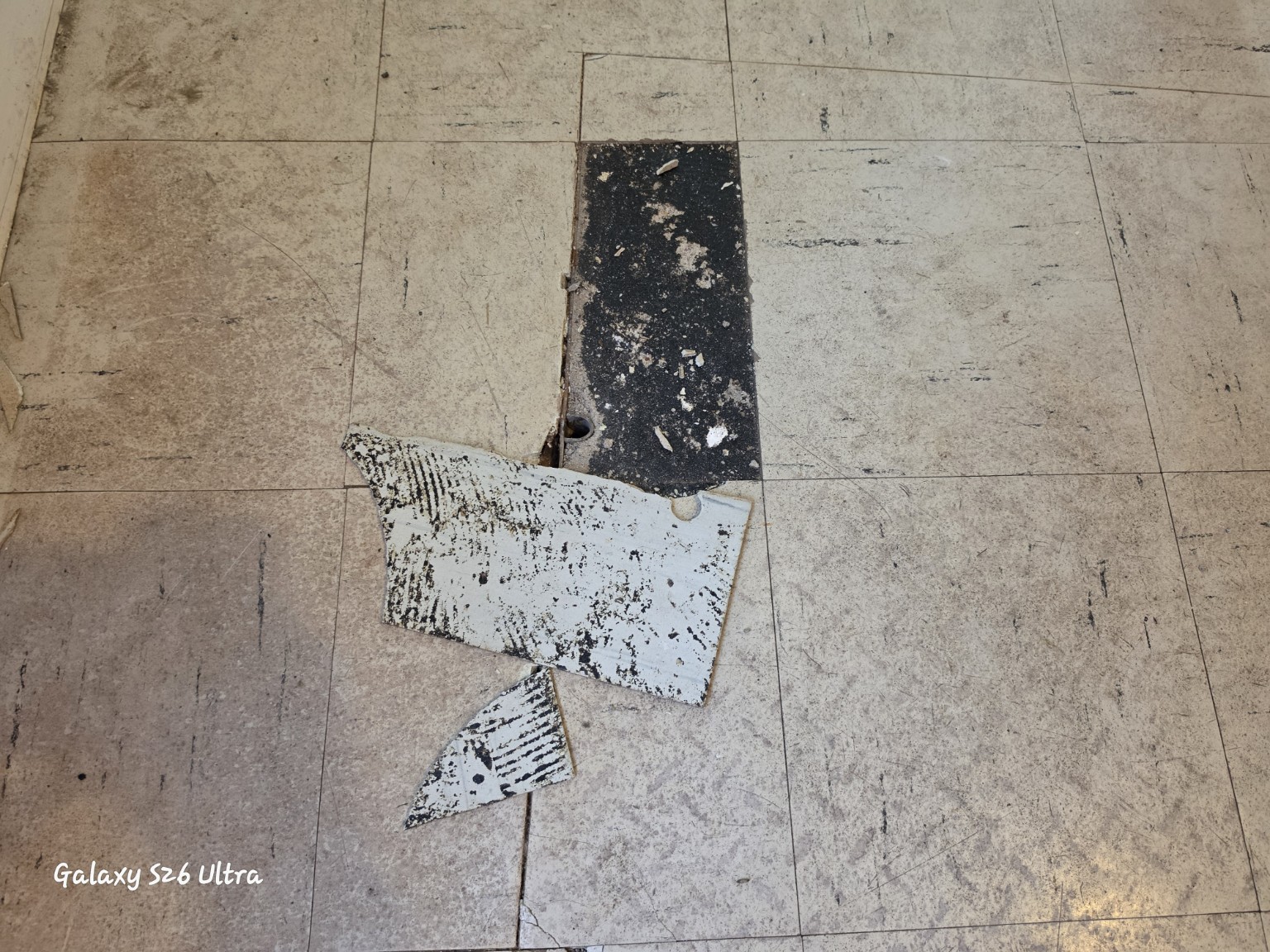
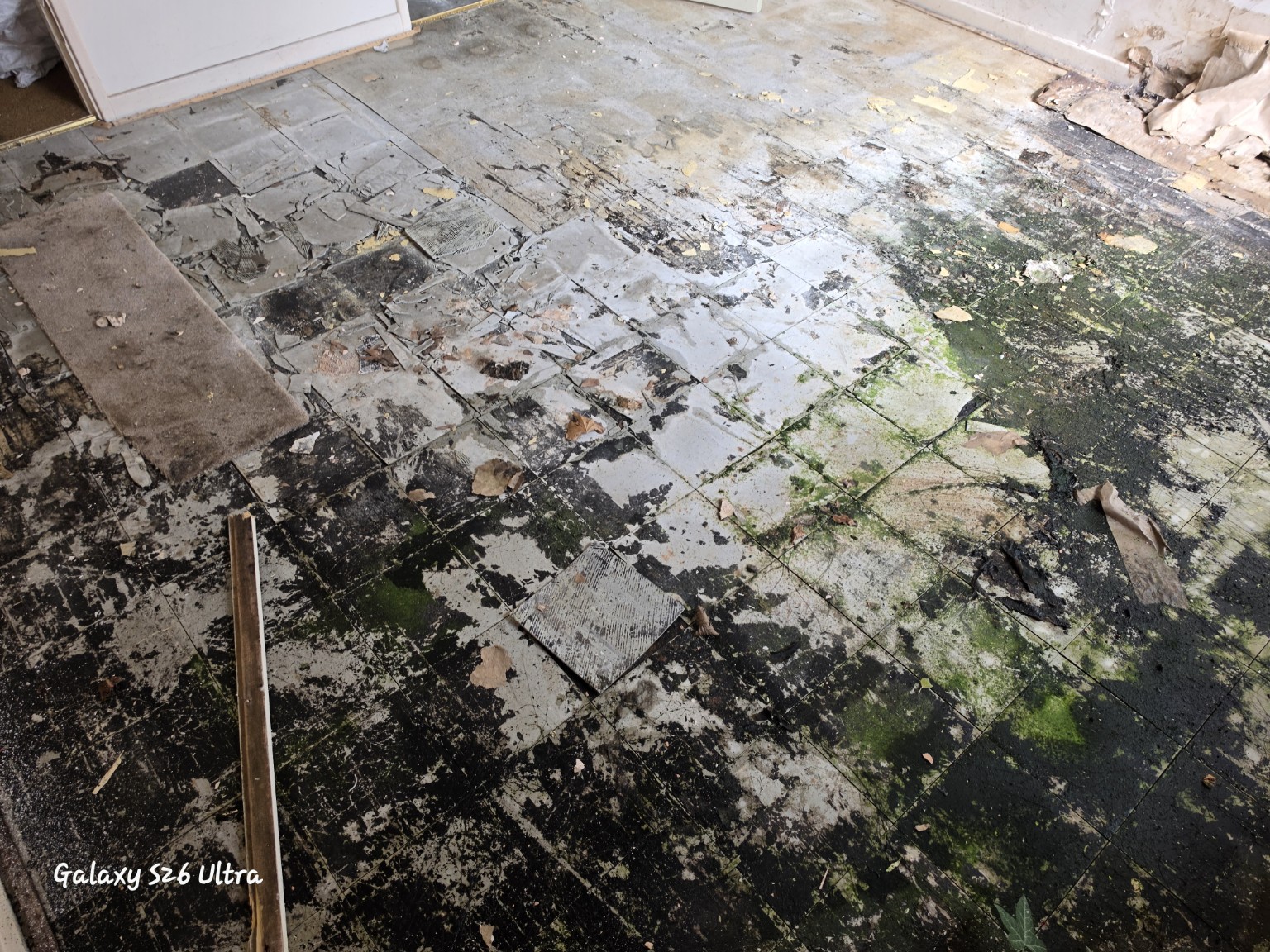
HSE identifies vinyl floor tiles, asbestos-paper backings and bitumen adhesives among locations/products in which asbestos may occur. These are generally lower fibre-release materials while intact, but the task and condition still determine the precautions required.
What does that actually mean?
Flooring gets layered. A perfectly modern-looking floor can have older tiles, paper backing or black bituminous adhesive underneath it. That's why looking at the top finish alone can tell you very little about what a refurbishment is going to uncover.
And a black adhesive isn't automatically asbestos-containing just because it's black. Sampling and context matter.
Bitumen Products & Roofing Felts
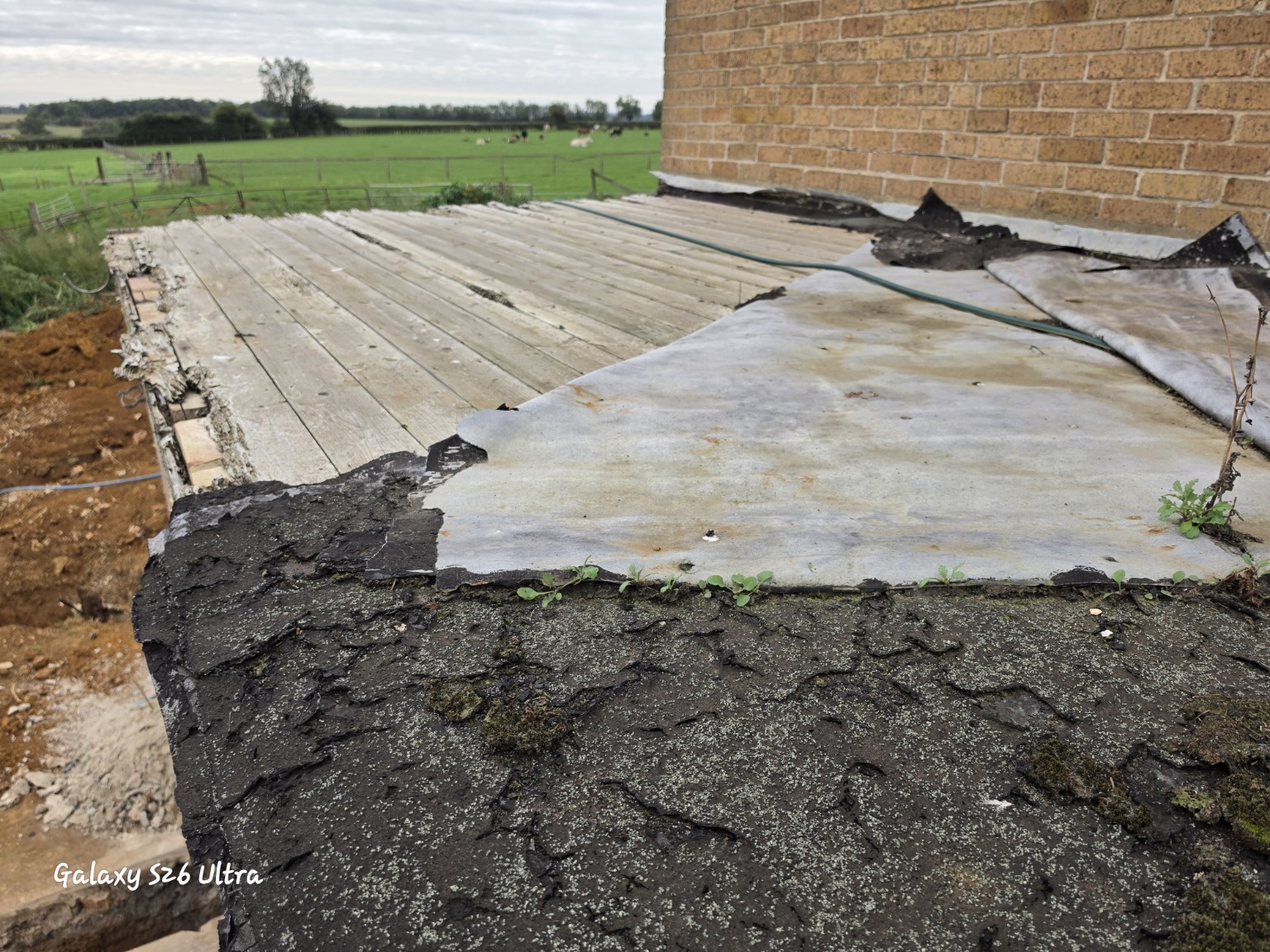
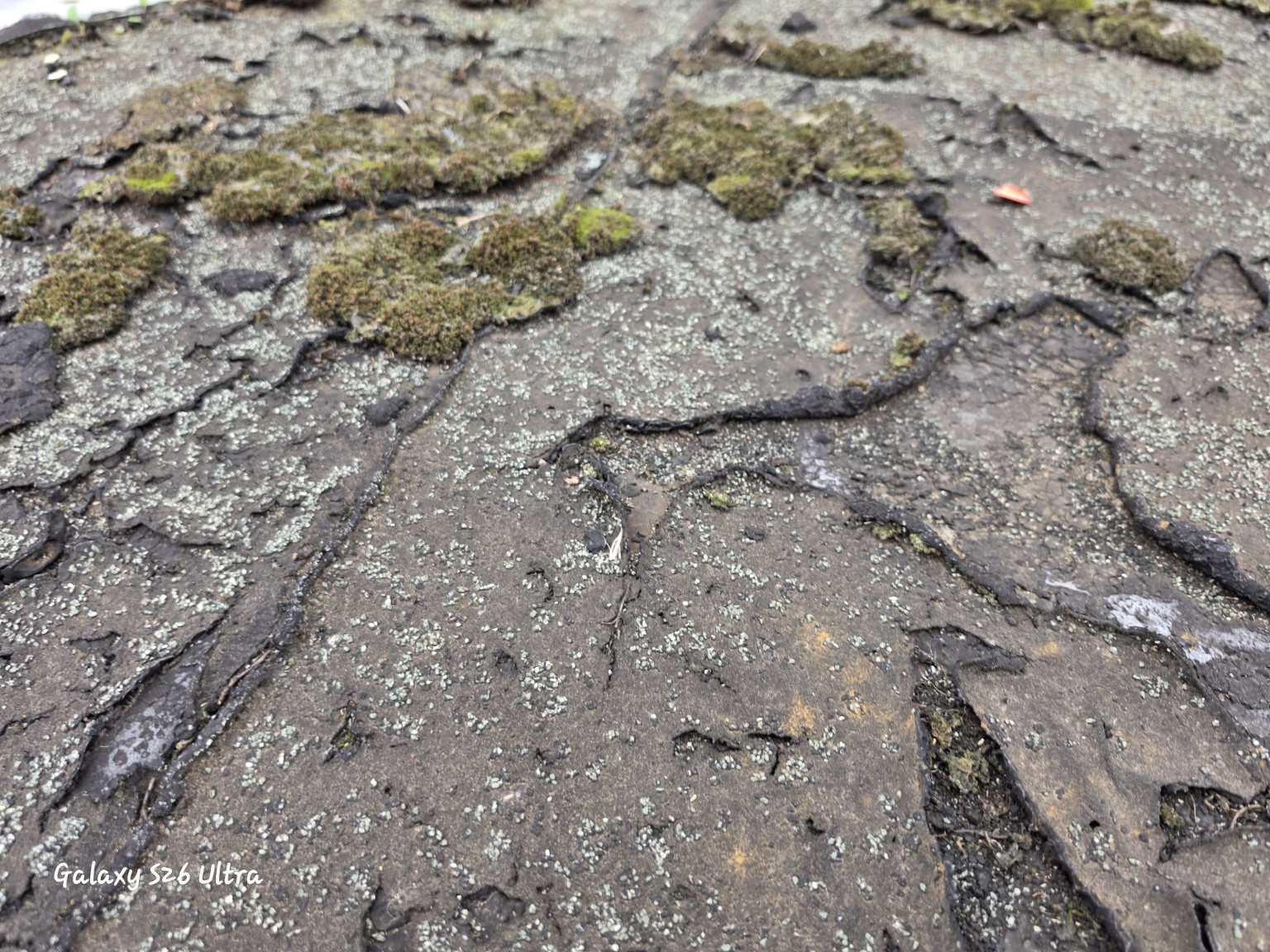
HSE records that bitumen-based roofing felts and damp-proof courses were widely reinforced with asbestos, usually chrysotile paper. Asbestos was also used in some bitumen-based wall and floor coverings, mastics and sealants.
What does that actually mean?
The asbestos-containing part is not always obvious from the surface. An old roofing felt can look like nothing more than weathered black bitumen until it is lifted, damaged or investigated and the backing or construction becomes visible.
As with black floor adhesive, appearance alone is not enough to call it either way. The product, layers, age and — where needed — representative sampling provide the answer.
Historic asbestos trade & brand names
Historic asbestos products were sold under many trade names. HSE's survey guidance records examples including Artex, Wondertex, Asbestolux, Eternit, Turners, Everite, Turnall, Diamond AC, Glasal AC and Sindanyo. A known product name can be useful evidence, but the asbestos content and product formulation can vary by product and period.
What does that actually mean?
Names are useful, but buildings rarely hand you the original packet. Products get painted, cut, reused and misnamed for decades. “It's Artex”, “that's Supalux” and “it's only cement board” are things surveyors hear all the time. Sometimes they're right. Sometimes they're very much not.
Use the name as part of the evidence — not as a substitute for identifying the material properly.
Supalux & other non-asbestos boards
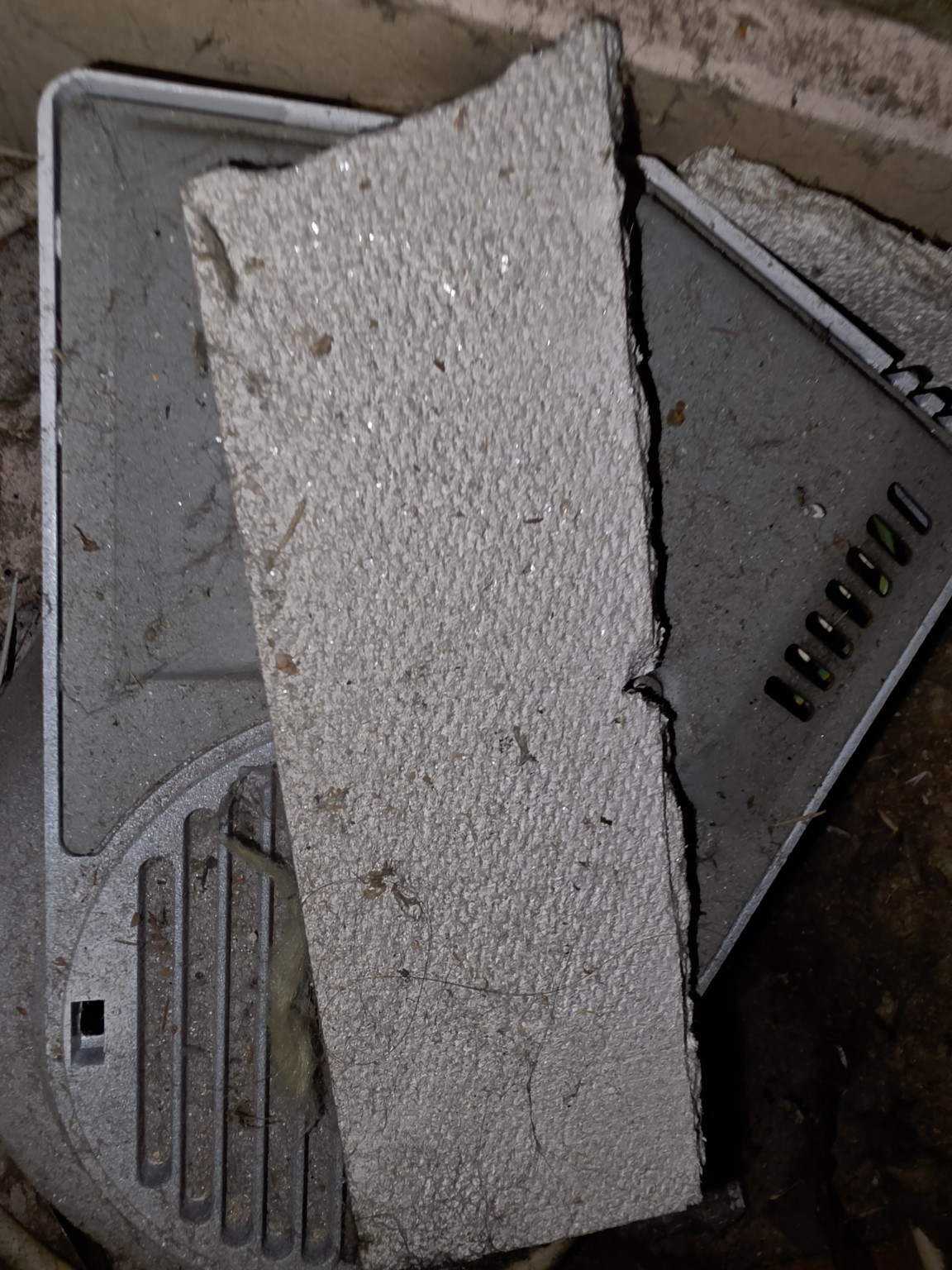
Not every fire-resistant or insulating board contains asbestos. Modern and historic non-asbestos boards exist, including branded products such as Supalux. Where a board cannot be reliably identified from markings, records or other evidence, visual similarity alone is not sufficient to rule asbestos in or out.
What does that actually mean?
Someone saying “it's Supalux” isn't identification. If we've got reliable markings or records, lovely. If we've just got an anonymous board that resembles several different products, we deal with the uncertainty instead of guessing.
Asbestos Composites & Moulded Products
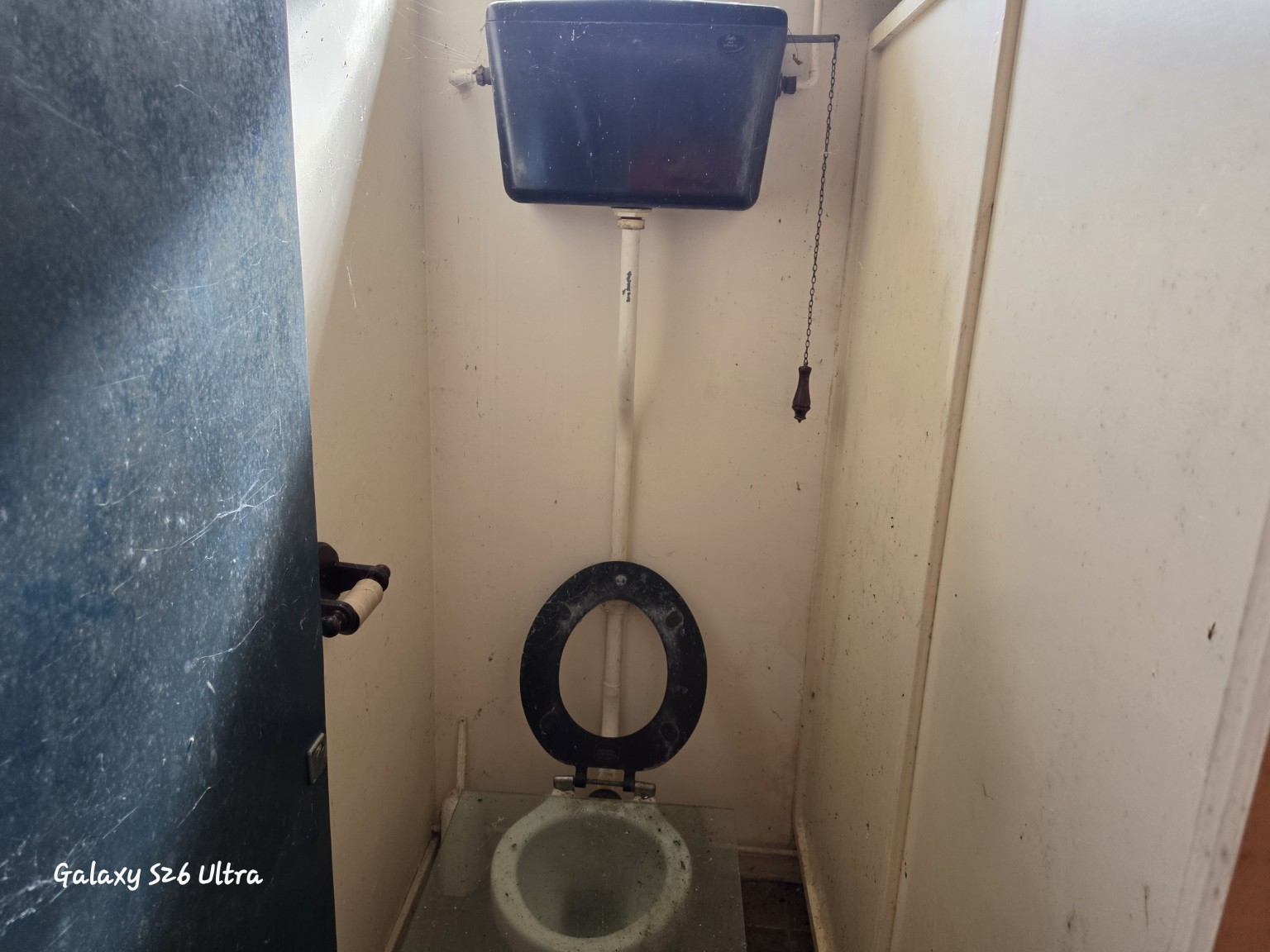
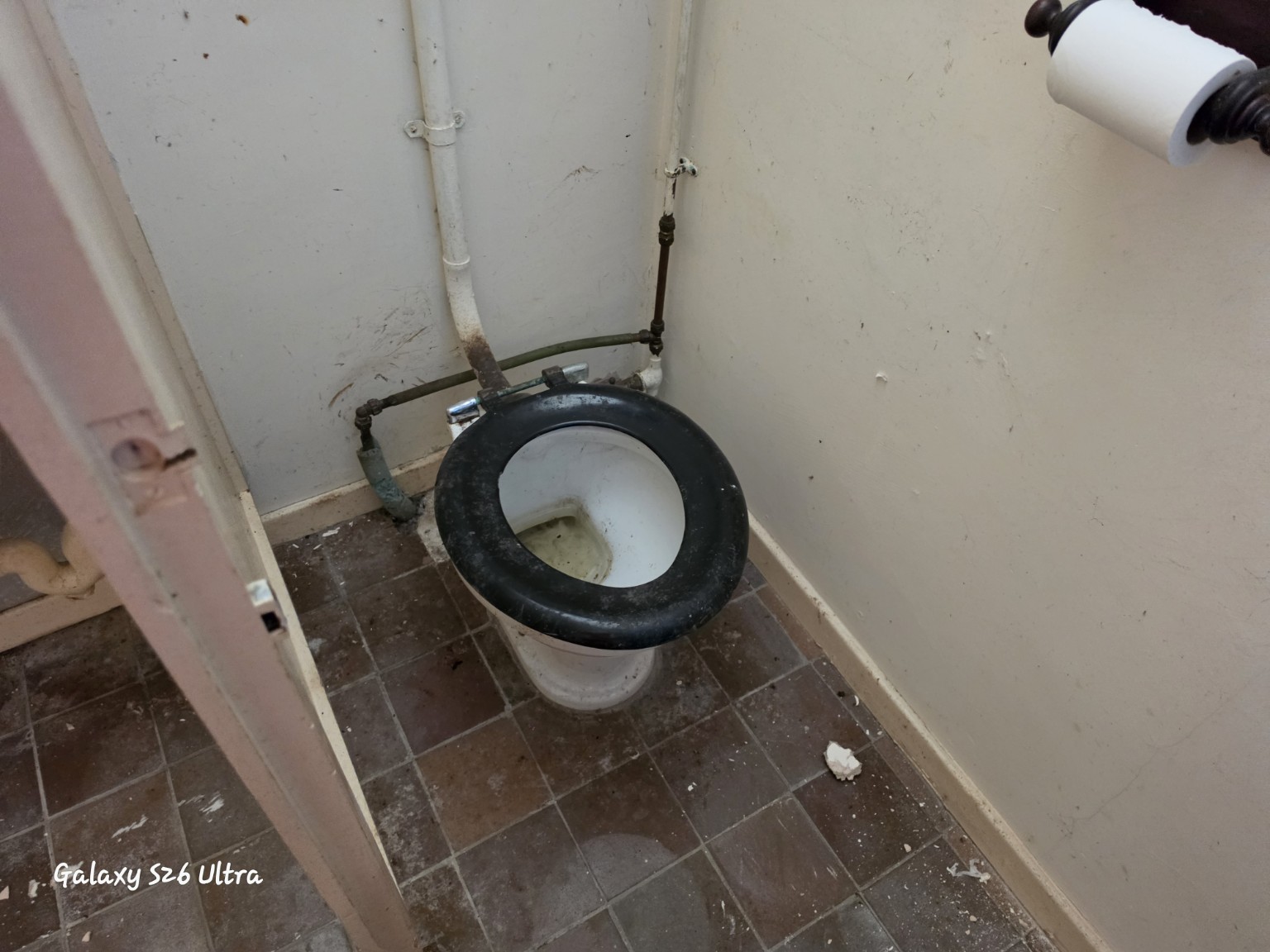
HSE includes toilet cisterns, textiles and composite products among the many places asbestos may be found in older buildings. Composite and moulded products can be particularly deceptive because they may resemble ordinary plastic, resin or other familiar manufactured materials.
What does that actually mean?
These are the ones people often don't believe. We've sampled old moulded sanitary products that look for all the world like ordinary plastic — including a toilet cistern which laboratory analysis identified as containing amosite. Asbestos turns up in some surprisingly mundane products, which is why appearance alone isn't enough to dismiss a suspect material.
That does not mean every old toilet cistern or seat contains asbestos, or that every moulded product contains amosite. It means these products existed and the item in front of you needs to be identified on its own evidence.
Electrical Flash Guards, Arc Shields & Gaskets
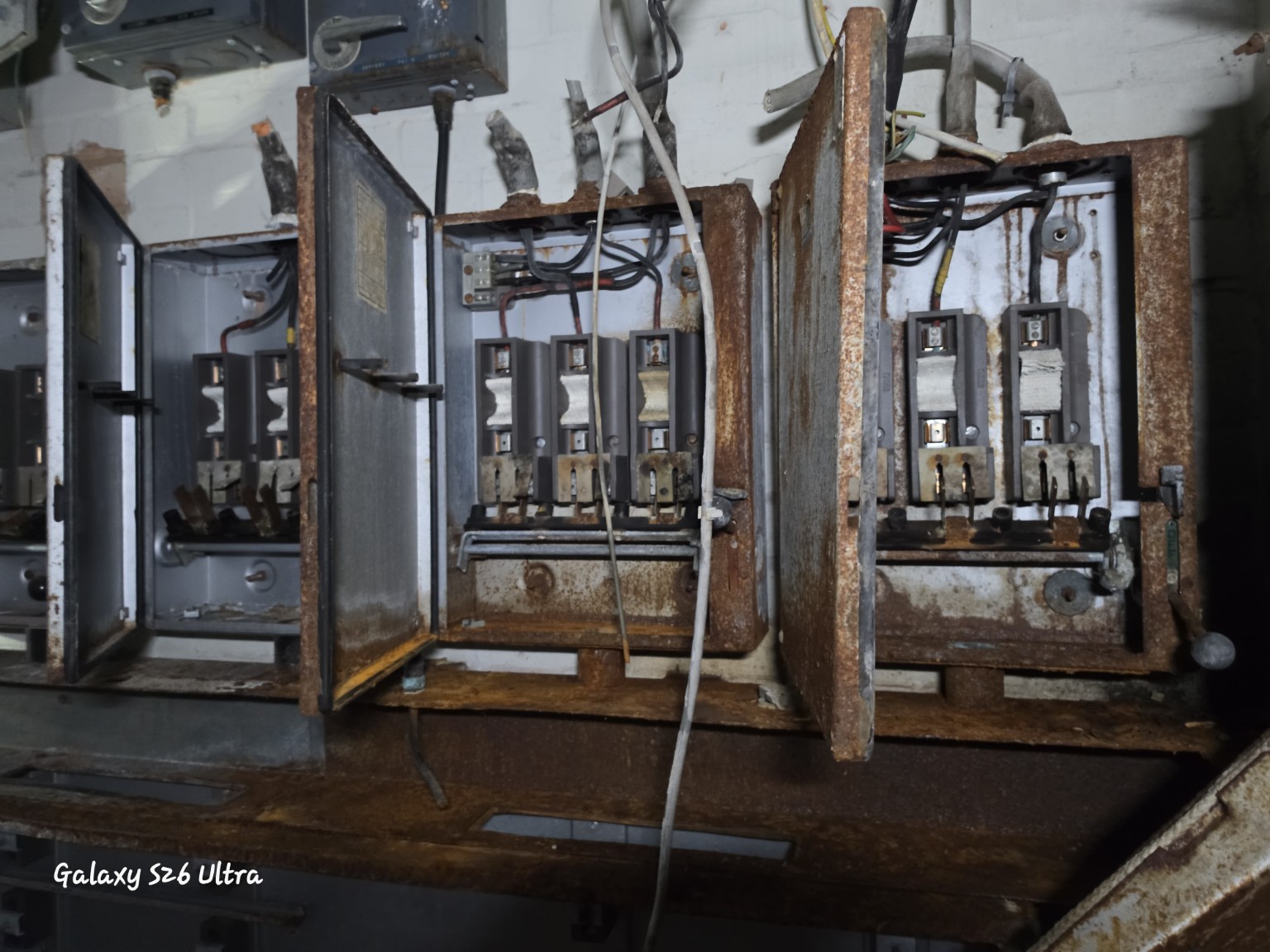
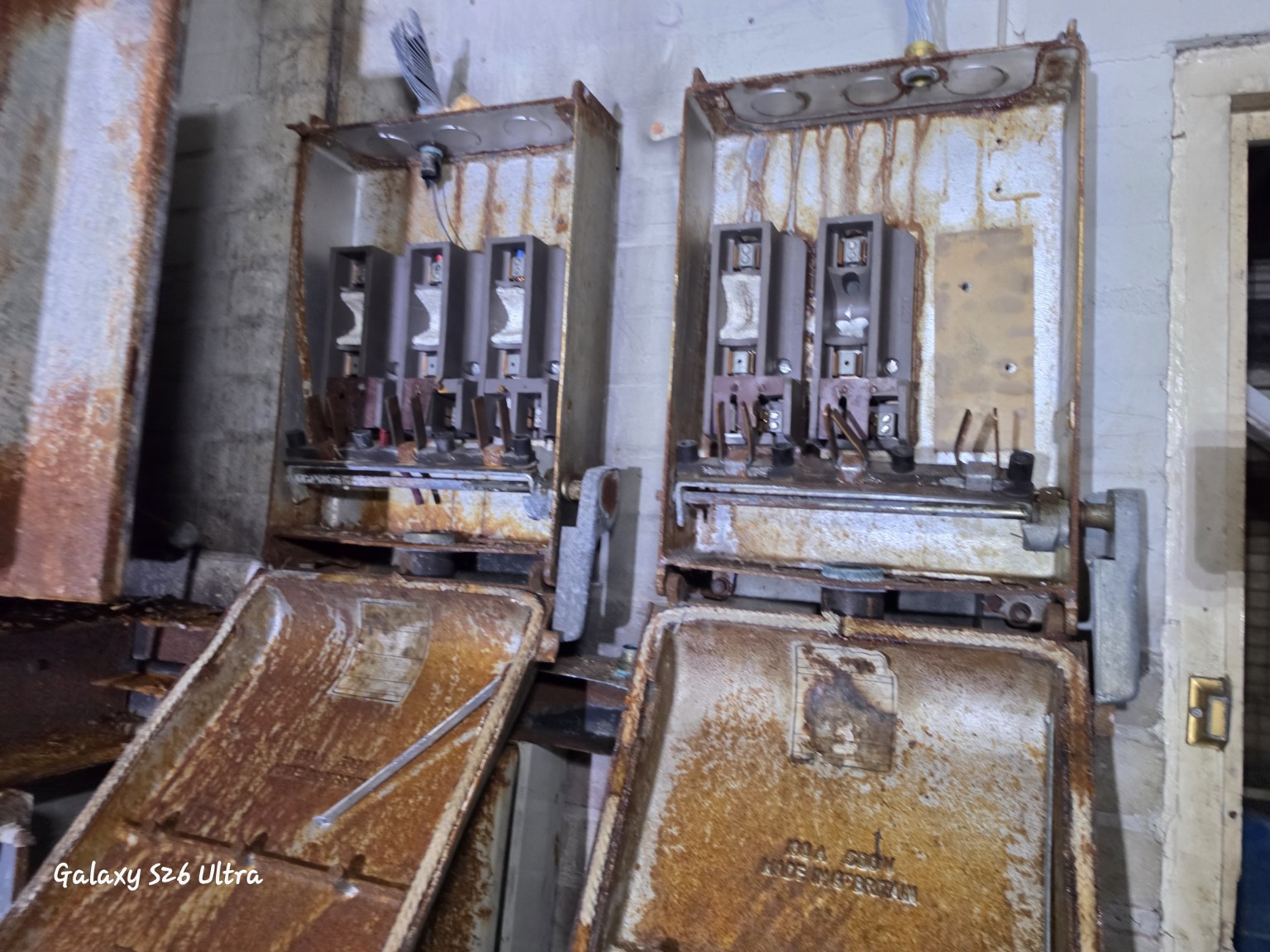
HSE identifies asbestos flash guards in fuse boxes and asbestos rope seals and gaskets as locations where asbestos may occur. Its Asbestos Essentials guidance also includes specific task sheets for asbestos-containing arc shields, fuse assemblies and compressed asbestos fibre gaskets.
What does that actually mean?
Asbestos was used because it resisted heat and fire, so old electrical equipment is one of the less obvious places it can turn up. Small woven guards, arc shields and gasket pieces can sit inside otherwise ordinary-looking switchgear.
They are easy to overlook if somebody is only thinking about roofs, boards and pipe insulation. Electrical equipment also brings its own hazards, so identification and access need to be approached accordingly.

Still got a question? Just ask Scott.